
As a criminal defense attorney concentrating on DWI cases here in Minnesota, I’ve learned that the only constant is change. The legal landscape is always evolving, and right now, we are witnessing two major, seemingly contradictory shifts that directly impact every driver in our state. On one hand, Minnesota is embracing the legalization of cannabis, with tribal nations leading the way in a new marketplace. On the other, we see a federal pivot towards a harsh, drug war mentality in response to the tragic fentanyl crisis. For the average Minnesotan, this creates a confusing and high-stakes environment where a simple mistake behind the wheel can have devastating consequences.
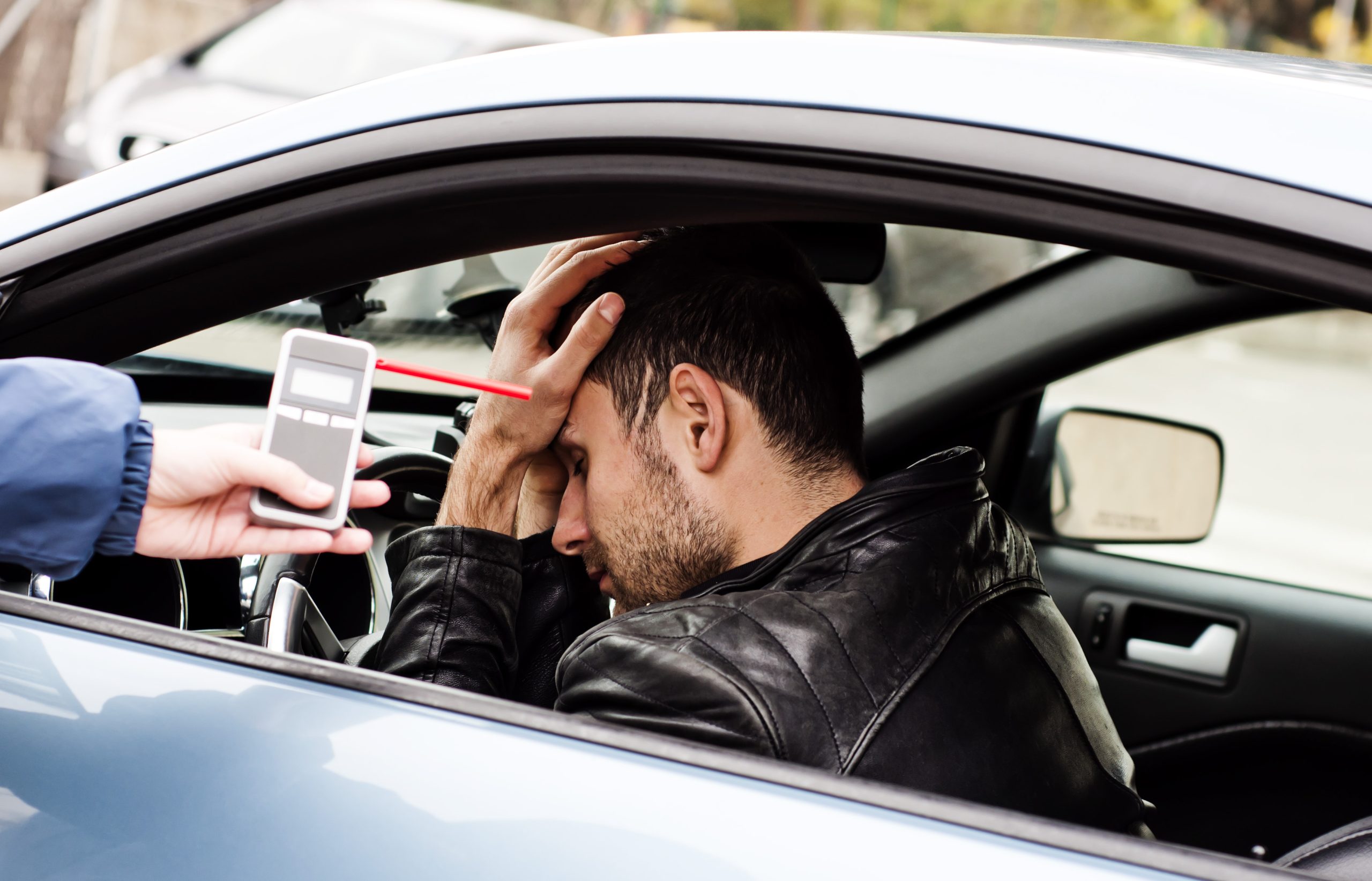
Let’s first look at the topic of cannabis. The recent news about the Bois Forte Band and Red Lake Nation entering into compacts with the state to open dispensaries is a landmark moment. It signals a new era of legal, regulated cannabis access. While many are celebrating this progress, it’s crucial to understand a critical point: legal to use does not mean legal to use and drive. A DWI charge for cannabis impairment carries the exact same severe penalties as one for alcohol—potential jail time, hefty fines, license revocation, and a permanent criminal record.
However, defending a cannabis DWI case is vastly different from an alcohol-related one. With alcohol, the state has a clear, scientific benchmark: the 0.08 blood alcohol concentration (BAC) limit. If you are at or above this number, you are considered legally impaired, period. Cannabis has no such equivalent. There is no scientifically agreed-upon level of THC in a person’s system that proves impairment. THC is fat-soluble and can remain in the body for days or even weeks after use, long after any impairing effects have worn off. This means a positive blood or urine test does not automatically mean you were driving impaired.
So, how does the state try to prove its case? They rely heavily on subjective evidence: the officer’s observations of your driving, your physical appearance, and your performance on field sobriety tests. They may also call in a so-called Drug Recognition Expert (DRE) to perform a 12-step evaluation. Each of these steps is vulnerable to challenge by a skilled defense attorney who understands the lack of scientific consensus and the potential for officer bias or error. Without a clear-cut number like a BAC, the prosecution’s case is often built on a shaky foundation of opinion, not fact.
At the opposite end of the spectrum is the federal government’s renewed focus on a punitive approach to the fentanyl crisis. A recent analysis shows a significant policy pivot away from public health solutions and towards enforcement and punishment. While fentanyl is a dangerous substance responsible for immense tragedy, treating this crisis primarily as a criminal issue rather than a health one has serious implications for individuals who find themselves caught in the system. This drug war mindset often leads to more aggressive policing, a push for harsher sentences, and less willingness to consider treatment alternatives.
This affects DWI defense directly. An increasing number of DWI charges involve controlled substances other than alcohol. If you are facing a DWI charge involving prescription medication or an illicit substance, you are not just fighting a traffic offense; you are caught in the crosscurrents of a national policy shift. The prosecution may be less interested in the context of your situation—such as a struggle with addiction—and more focused on securing a conviction to appear tough on drugs. This is where having a defense attorney who advocates for you as a person, not just a case number, is essential. I can fight to ensure the focus remains on the facts of your specific case and advocate for outcomes that prioritize rehabilitation and treatment over purely punitive measures.
Whether you are a responsible cannabis user navigating a new legal world or someone struggling with a substance use disorder, the legal risks on Minnesota roads have never been more complex. The law is not always black and white, and your rights must be protected. If you are facing an impaired driving charge of any kind, it is critical that you speak with an attorney who understands the nuances of both the science and the ever-changing laws.
Sources:
https://www.mprnews.org/story/2025/12/31/npr-trump-fentanyl-drug-policy-pivot
The information presented in this article is not considered legal advice. Please contact our law office to speak to an attorney about your case.